Fostering New Futures
Why Mary Graham’s Dubious Arrests are Damaging Innocent lives
Opinion // Chloe Bryan // December 6, 2019
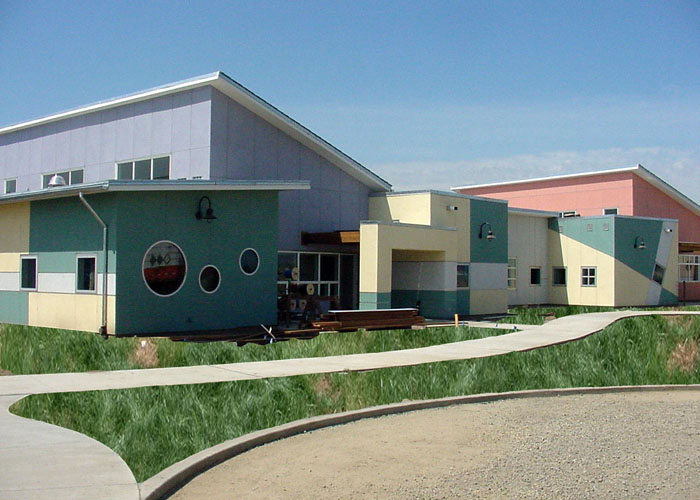
At first glance, Mary Graham Children’s shelter appears to be a place full of life, color, and a peaceful temporary home for foster youths. However, to those children living there, the place is a living nightmare.
Just last year, Mary Graham housed over 500 children and relied more heavily on law enforcement than any other shelter in the state. This may appear to be a small, questionable inconvenience; however, the numbers tell a much more sinister tale.
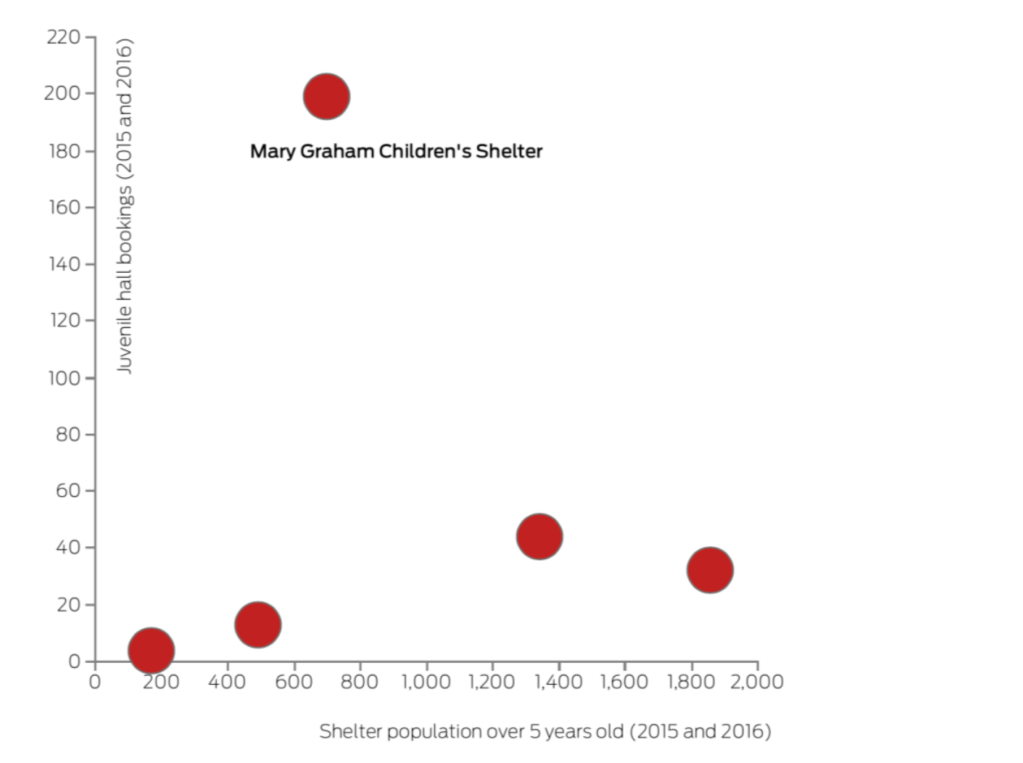
Mary Graham accounted for more than one-third of all calls to police from California shelters and half of all arrests. The most concerning part is that, in many cases, foster children were arrested for behaviors that caregivers are trained to expect.
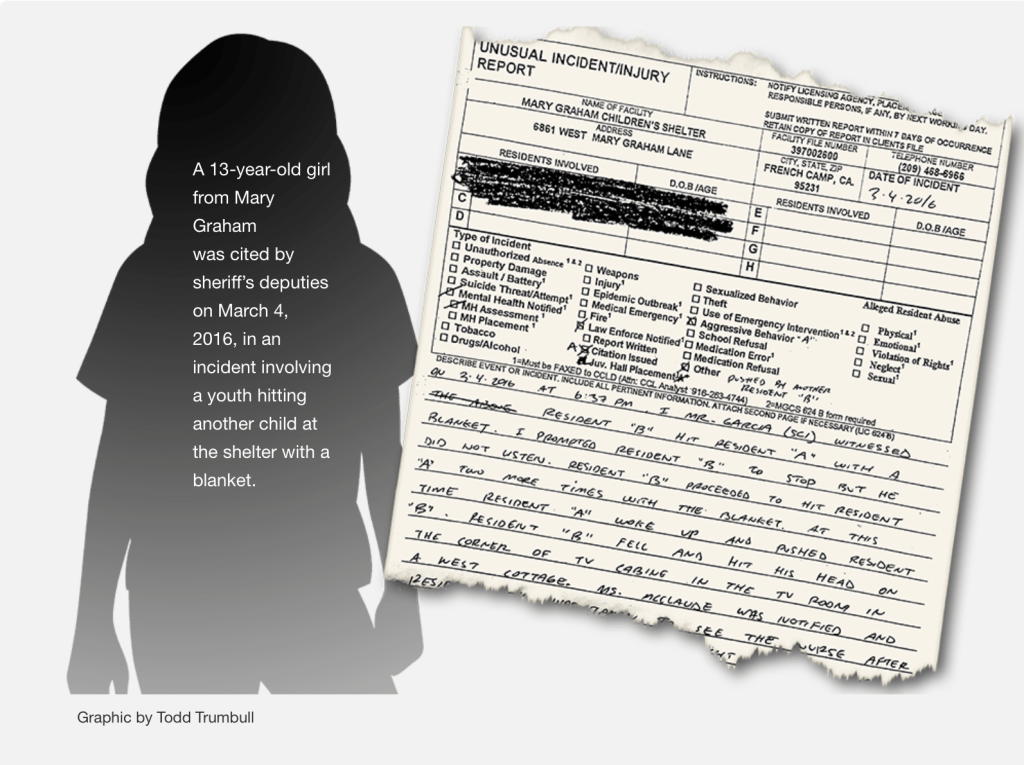
Here, typical youthful outburst can become crimes. A cake fight can lead to arrests of inciting a mob. Having a meltdown and flinging books can lead to assault charges. Instead of allowing these children to heal and understand both their situations and complex emotions, we shove charges down their damaged throats. These children are receiving adult punishment for crimes they are unaware of committing, yet this process persists. Not to mention, the issues don’t stop here. From inadequate visits by social workers to poor monitoring of psychotropic drugs, Mary Graham is failing foster youth at every turn.
By definition, you’re dealing with kids who have been neglected and abused and traumatized, so it’s insane to say that the minute the kids get angry or upset, we call the cops and send them to juvenile hall.
Jan Sherwood (leading specialist in child welfare law from Marin County)
In the last few decades, researchers have concluded that maladaptive behaviors are positively correlated to unstable households. During these critical developmental ages the brain structures that govern personality, learning, and coping mechanisms are established and made permanent. This means that a lack of stimulation (i.e experiencing or witnessing abuse or violence) stunts a child’s cognitive development and therefore causes them to act in ways that we, as a society, deem maladaptive. Child welfare experts said that foster youths’ challenging behaviors ought to be met with counseling and a calm approach. Even if its a brief moment, the experience of being arrested, handcuffed, and jailed can have potentially long-lasting impacts. These impacts can lead to deepened trauma or even greater odds of a criminal future.
According to former foster youth, Ashely Hensley (24), “They used the cops as a scare tactic.” Ashely was arrested twice at the Mary Graham Children’s Shelter and is now, unfortunately, struggling with drug addiction and homelessness. Instead of giving Ashely, and other foster children, the help they deserve they gave her a jail cell.
I agree that children must learn that there are consequences to their actions and that accountability is important. However, adults need to understand that their responses are involuntary and are established as a coping or safety mechanism due to their tumultuous childhoods. Sometimes arrests are necessary, but there needs to be protocol to protect the children whose minor crimes are undeserving of an arrest.

Even the most qualified workers at Mary Graham believe that a problem exists. After hours of tantrums, anyones patience can be tested. However, they argue that the real problem lies with the constant churn of “ill-prepared, part-time counselors.”
In 2015, a law took effect in California that adds more pressure to foster care facilities to reduce their reliance on police force and requires them to report everytime they call authorities.
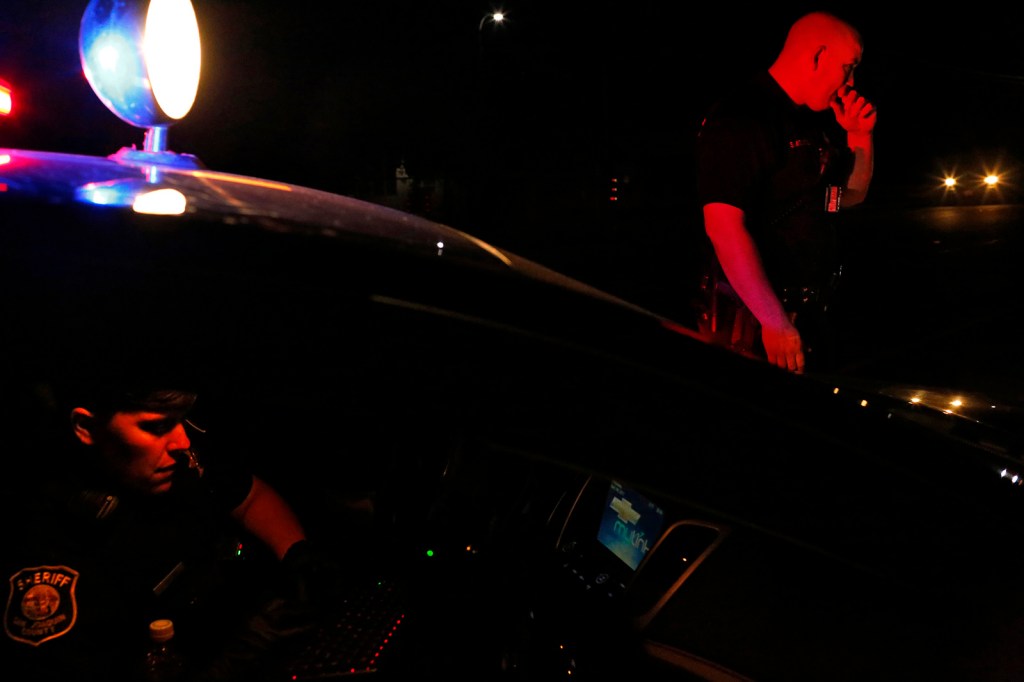
Yet the next week, a reporter witnessed two sheriff’s deputies pinning a 10-year-old girl to the ground and forcing her into handcuffs on Mary Graham’s front lawn as a row of children watched from the shelter gate. This child stood at 5 feet tall and posed no threat to the heavily armed officers.
So, how can this needed change come to fruition? Clearly, the previous law did not propose a big enough threat to Mary Graham. Therefore, I think the law must be reevaluated and reformed.
First, we need a primary sponsor, supporting congress members, foster care committee chair member, or representative to propose the reformed bill to the house of representatives. After the bill goes through all the proper modes of approval and is signed by the president, it can finally become an established law. While this process may take some time, I believe the severity and necessity for such a law may actually rush the process.
The largest issue with this reformation, is how a change like this will be paid for. While there are many ways to raise money for an important cause such as this, I believe that time is of the essence. Sure, we can create crowd changes or fundraisers, but I think something similar to that of a war bond might work better. A war bond is a debt security issued by the federal government to “finance military operations during times of war.” These bonds are made through a pathos appeal to patriotic individuals to get them to lend the government money. The main incentive, however, was that the bonds offered a rate of return below the market rate. So, I think it is possible to create something similar called Foster Care Bonds. This would allow everyone the opportunity to fund the success of forgotten children.
Now that you have stepped into the situation and educated yourself on the exponentially growing problem within Californian foster shelters, you can now step up. There are many ways that a concerned and educated citizen, like you, can make a difference. One way to step up, is to flood congress members’ inboxes with your passionate voices. Call or send letters to Ken Cooley, Chair of the committee on Foster Care in California, at (916) 319-2008 or P.O. Box 942849, Sacramento, CA 94249-0008. Since congress is supposed to represent the people of America, they have no choice but to listen to the countless concerned people who desire a change to Mary Graham’s methods of punishment.
Children should not be punished for their parent’s mistakes. Children should not have to feel like the rug will be pulled from under them at any second. Children should not question if people love them or care about them. Children should not have to worry that their uncontrollable outbursts will result in juvenile hall bookings. Children should not be threatened into silence. Therefore, it is our job as empathetic and intellectual members of a society to ensure that all foster children, regardless of background, will be protected from amateur shelter counselors. Sure, we might have to sacrifice some money in the now and spend a little extra time encouraging our government to make a change. However, it is worth it– for the outcome of these changes well outweighs its cost. It may be difficult, but the plan is feasible– we must foster new futures for these children.
Chloe Bryan is a writer, musician, and student at the University of San Francisco. Her work has been published in The BROAD’s poetry journal and the Laguna Beach PTA website.
We invite you to express your views in a letter to the editor. Please submit your letter via our online form: SFChronicle.com/letters.
 San Francisco Chronicle